
Office Elevation Without Gut Renovation
credit: davegarcia
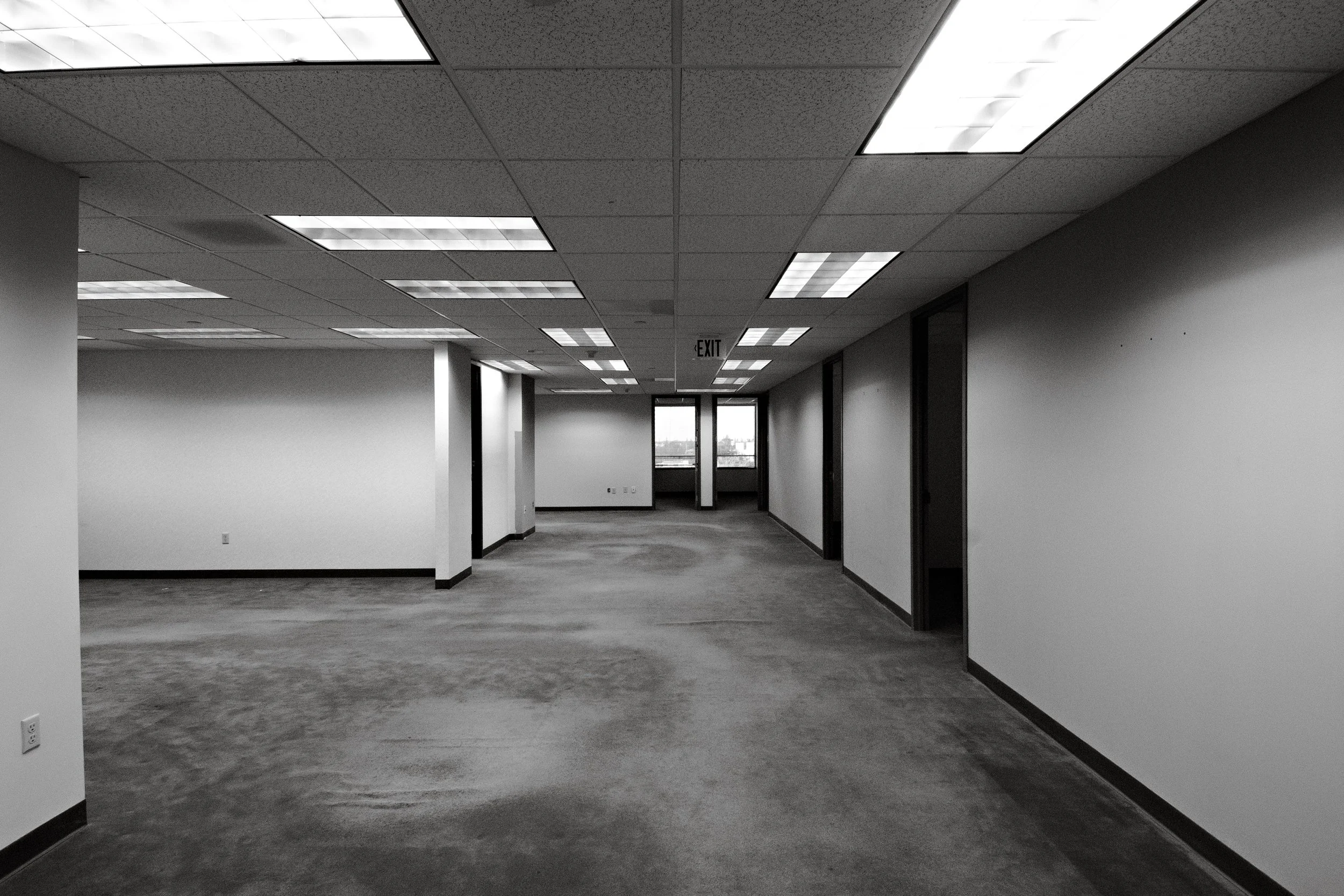
According to CBRE’s 2026 Americas Office Occupier Sentiment Survey, employers want workers back in the office, but the gap between policy and reality persists. Dated, uninviting spaces signal to employees that their experience isn't a priority—and they respond accordingly.
Yet with real estate spend tight, full structural overhauls are out of reach for most organizations. The data across the office sector reveals a massive opportunity for environmental graphics:
THE EXPERIENCE DEFICIT
89% of employers require 3+ days in-office, but actual show-up rates continue to lag targets.
47% of occupiers rate their workplace experience as average or below average relative to peers.
THE CAPEX BOTTLENECK
62% of leaders cite employee experience as a top priority, yet only 14% are pursuing meaningful workplace transformations.
54% remain stuck making incremental tweaks that satisfy neither space efficiency nor employee experience.
THE ENVIRONMENTAL GRAPHICS ADVANTAGE
77% of employees show up for colleague connection and culture—not a generic desk.
50% of organizations are shifting toward reconfigurable, flexible spaces.
Environmental graphics deliver the visual impact of a full transformation—defining hybrid zones and modernizing space without heavy construction costs.
If you aren't leveraging environmental graphics to bridge the workplace experience gap, you're leaving employee engagement, culture, and asset value on the table.
Data Source: CBRE Research, Adaptive Spaces: 2026 Americas Office Occupier Sentiment Survey (July 2026).