
New York Times
Recently, we wrote about the rise of the 360-degree lifestyle - how hospitality icons like Ritz-Carlton and Nobu are expanding from dining and travel into permanent residential living.
Now, developers in Miami are hitting the limits of the trend.
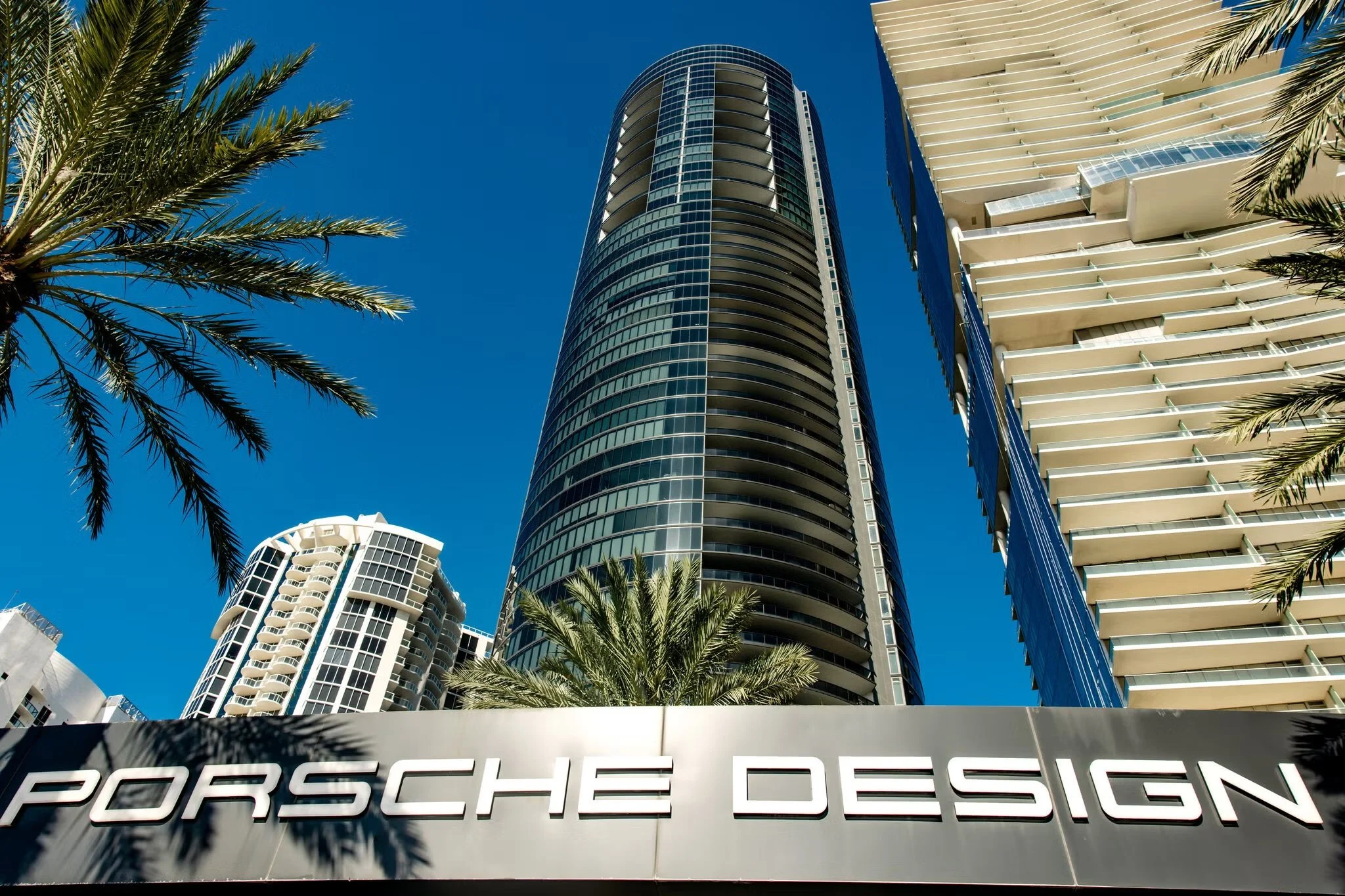
With over 140 branded towers built or in the pipeline, the market is exposing a critical distinction: operational hospitality vs. badge licensing.
When a hotel or culinary brand brings its service culture, staffing, and curated programming, it creates a functional ecosystem. But when developments simply license fashion or supercar logos to decorate glass towers without any operational infrastructure, the illusion breaks down fast.
The cracks are already showing:
Diluted exclusivity: When every block features a fashion house, automotive badge, or restaurant logo, prestige degrades.
The pivot to subtlety: Developers are starting to push back. For their 75-story tower with Nobu and Foster + Partners, Key International intentionally named the project 619 Brickell to dodge the chaotic "brand wars.”
Squeezed margins: A brand name may justify a 30% pricing premium, but meeting rigid, bureaucratic brand design standards can eat up to 20% of hard construction costs.
Borrowing someone else's equity is no longer an automatic cheat code.
As licensed badges lose their pricing power, the real edge isn't slapping a third-party logo on a lobby - it’s crafting an authentic, enduring brand identity and spatial story built directly into the project's own DNA.